Cyber range vs generated cases: what actually fits a training budget
When a program needs hands-on forensics and incident-response practice, the decision usually comes down to a cyber range or a case generator. The one that fits depends less on features than on your budget shape, your headcount, and whether your learners can all be online at once.
Two different models
A cyber range gives everyone access to one shared environment hosted in the vendor's cloud. You rent seats, people log in, and they work the same lab. A case generator like Red Herrings does the opposite: it builds a different case for every learner on their own machine, and grades it there. One is a shared destination; the other is a lab per person that you hand out.
The collusion problem
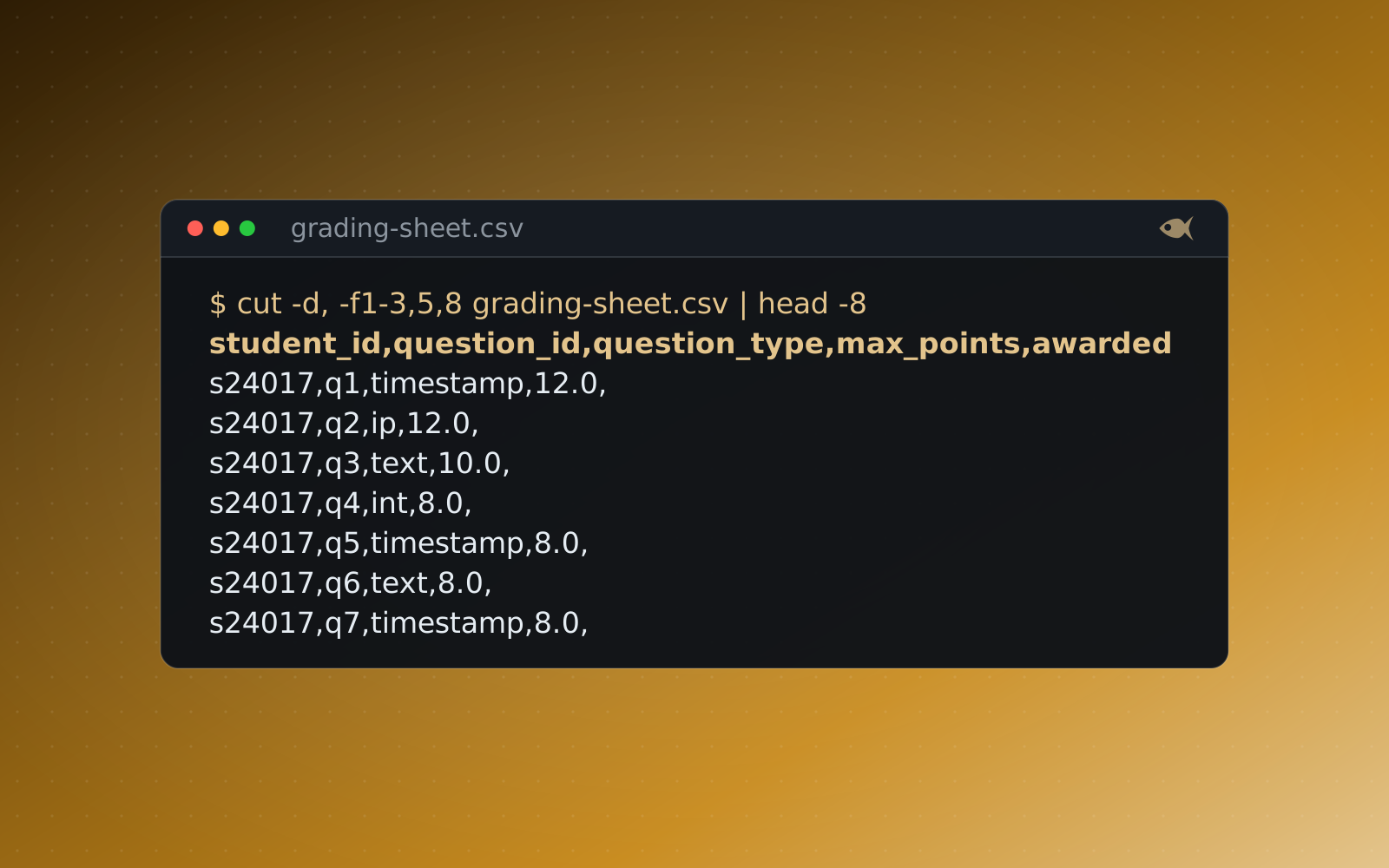
A shared environment means a shared answer. When everyone works the same lab, last term's write-up still works this term, and a classmate's findings are your findings. A generator sidesteps this by seeding each case: names, timestamps, IP addresses and hashes differ per learner, so a copied answer is the wrong one. If you're grading, that difference is the whole ballgame.
The cost shape
Ranges price per seat per month because the vendor is paying for the compute you're using. That scales linearly: a hundred learners cost roughly ten times what ten cost, every term. A generator runs on hardware you already own, so the price is flat and the marginal learner is free. For a class or a cohort that grows, the two curves pull apart fast.
A range rents you one shared lab by the seat. A generator gives every learner their own, on hardware you already have, for one flat price.
The offline question
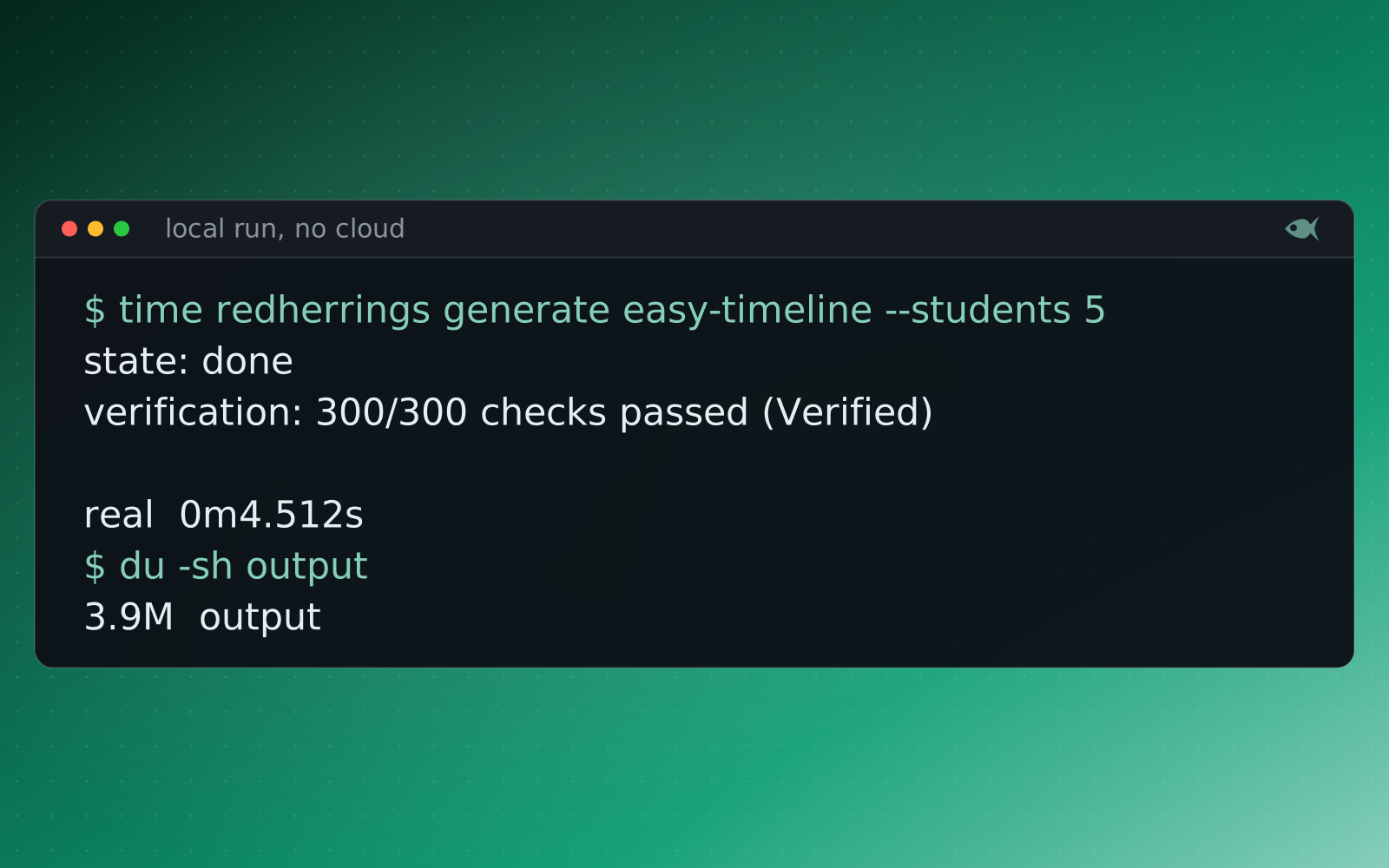
A hosted range needs the internet by definition. If any part of your training happens in an air-gapped classroom, a secure facility, or a room with flaky wifi, that's a hard stop. Generated cases run fully offline, which also means no learner data leaves the machine, a point that matters in plenty of programs beyond the classified ones.
Where a range still wins
To be fair about it: a cyber range is the better tool when the skill you're teaching is live, interactive network defense, red team against blue team on a running network, or operating real infrastructure under attack. A generator is about investigating evidence, reading artifacts, scoping an incident, and writing it up, then grading that work at scale. Most forensics and incident-response curricula are mostly the second thing, which is why a generator covers more of the syllabus for less money, but it's worth knowing which job you're buying for.
The First Look cases are free, and a 30-day trial adds a set of sample cases so you can see the generated model on your own evidence. Or read the side-by-side comparison first.